 By Admin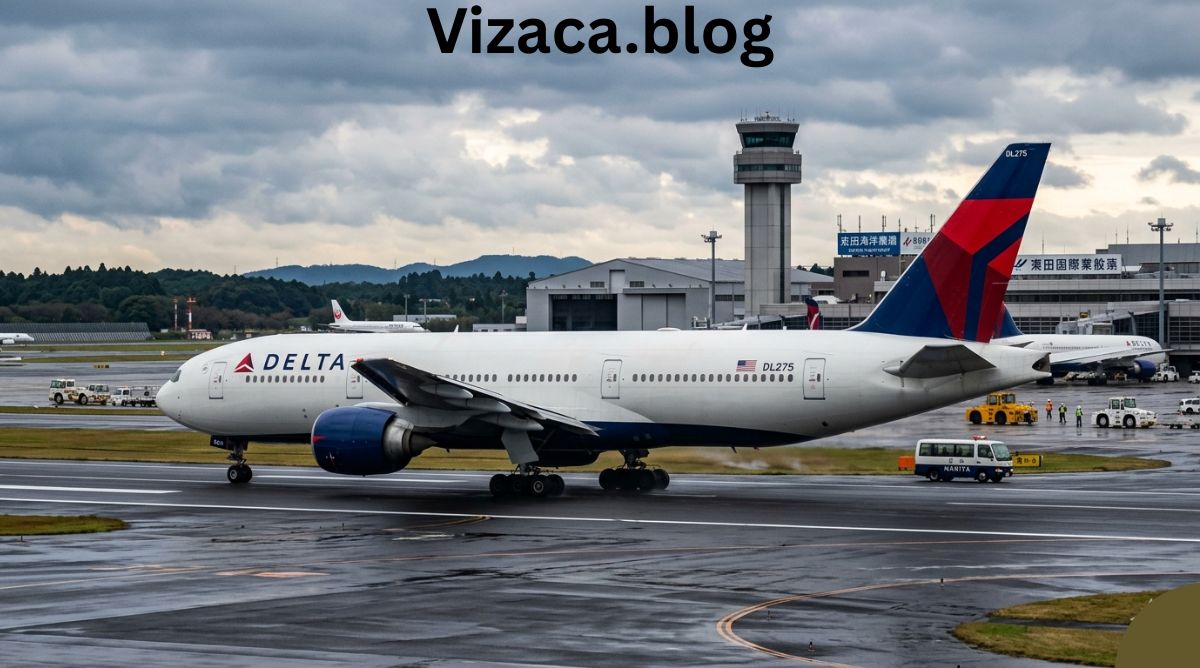
The aviation industry is built on precision, safety, and the ability to respond effectively to unexpected situations. Even with highly advanced aircraft and experienced crews, unforeseen circumstances can arise during long-haul international flights. One such notable incident involved Delta Flight DL275, operating from Japan, which was diverted to Los Angeles International Airport (LAX). This event drew attention from travelers and aviation observers, highlighting how airlines handle complex in-flight challenges while prioritizing safety above all else.
Overview of Delta Flight DL275 Route
Delta Flight DL275 is typically an international long-haul service connecting Japan with the United States. Routes between these two regions often span thousands of miles across the Pacific Ocean, making them among the most demanding in commercial aviation. These flights are usually operated using wide-body aircraft such as the Airbus A350 or Boeing 777, both of which are designed for efficiency, passenger comfort, and long-distance performance.
On the day of the incident, DL275 departed from Japan as scheduled and began its transpacific journey. Flights of this nature require careful planning, including fuel management, weather monitoring, and coordination with multiple air traffic control regions. Despite this meticulous preparation, the flight encountered a situation that required diversion to LAX.
What Happened During the Flight
While en route from Japan to its intended destination in the United States, the crew of Delta Flight DL275 identified an issue that warranted immediate attention. As a result, they made the decision to divert the aircraft to Los Angeles International Airport.
A diversion during a transpacific flight is a significant decision because it involves altering a carefully planned route over vast distances. The crew must quickly assess the situation, determine the severity of the issue, and select the most appropriate alternate airport. In this case, LAX was chosen due to its capabilities and strategic location.
Although specific details of the incident may vary depending on official reports, the diversion itself demonstrates that the crew followed established safety protocols and acted in the best interest of everyone onboard.
Reasons Why a Japan-US Flight May Be Diverted
There are several potential reasons why a flight traveling from Japan to the United States might need to divert. One of the most common is a medical emergency. On long-haul flights, passengers and crew are in the air for extended periods, increasing the likelihood of health-related issues. If someone requires urgent medical care, the aircraft may be rerouted to the nearest suitable airport.
Technical considerations are another major factor. Modern aircraft continuously monitor their systems, and any irregularity—whether related to engines, cabin pressure, or avionics—can prompt precautionary action. Even minor issues are treated seriously to ensure safety.
Weather conditions also play a crucial role. The Pacific region can experience turbulence, storms, and rapidly changing weather patterns. If conditions at the destination airport become unfavorable, pilots may opt for a diversion.
Additionally, operational or logistical factors, such as airport congestion or runway availability, can influence the decision. In rare cases, security concerns may also require immediate changes to the flight plan.
Why Los Angeles International Airport Was Selected
Los Angeles International Airport is one of the most prominent international gateways in the world. It is particularly well-suited for handling long-haul flights and emergency diversions. The airport features multiple long runways capable of accommodating large aircraft, as well as extensive ground support services.
For a flight coming from Japan, LAX is strategically located along major transpacific routes. This makes it a logical choice for diversion, especially if the aircraft is already approaching the West Coast of the United States.
The airport is equipped with advanced medical facilities, maintenance services, and experienced personnel who can respond quickly to a wide range of situations. These capabilities ensure that any issues can be addressed efficiently upon landing.
Pilot Decision-Making and Crew Coordination
The decision to divert a flight like DL275 involves a high level of coordination and expertise. Pilots are trained to evaluate multiple factors simultaneously, including the nature of the issue, the aircraft’s condition, and the availability of alternate airports.
They rely on real-time data from onboard systems, as well as communication with air traffic control and the airline’s operations center. This collaborative approach ensures that all relevant information is considered before making a decision.
Once the diversion is confirmed, the crew prepares for landing at the alternate airport. This includes updating navigation systems, briefing the cabin crew, and informing passengers. Every step is carried out according to strict safety procedures.
Passenger Experience on a Diverted Flight
For passengers onboard Delta Flight DL275, the diversion may have come as an unexpected development. However, airlines are well-prepared to manage such situations and prioritize passenger comfort and safety.
Cabin crew play a vital role in maintaining calm and providing clear communication. Passengers are typically informed about the diversion and given instructions to follow during the descent and landing.
After landing at LAX, passengers may either remain onboard or disembark, depending on the circumstances. If the delay is significant, the airline may arrange accommodations, meals, and alternative travel plans.
While a diversion can be inconvenient, it is important to understand that such decisions are made to ensure the well-being of everyone on the flight.
Operational Challenges for Delta Air Lines
A diversion of this nature presents several operational challenges for Delta Air Lines. Flight schedules may be disrupted, affecting not only the diverted flight but also other flights connected to the same aircraft or crew.
Maintenance teams may need to inspect the aircraft thoroughly, particularly if the diversion was caused by a technical issue. This process can take time and may delay the aircraft’s return to service.
Crew scheduling is another important consideration. Pilots and flight attendants are subject to strict duty time regulations, which may require replacements if limits are exceeded.
Despite these challenges, airlines are equipped to handle such situations efficiently. The primary focus remains on safety and minimizing disruption for passengers.
Role of Air Traffic Control in the Diversion
Air traffic control is an essential partner in managing flight diversions. Controllers provide pilots with information about available airports, weather conditions, and traffic patterns. They also coordinate the aircraft’s approach and landing at the diversion airport.
In urgent situations, air traffic control may give priority to the diverted flight, ensuring a clear path for landing. This coordination helps reduce delays and enhances safety.
The seamless interaction between pilots and air traffic control is a key factor in the successful handling of diversions.
Importance of Safety in Long-Haul Flights
Long-haul flights like DL275 operate under unique conditions, including extended flight times and remote routes over oceans. These factors make safety protocols even more critical.
Aircraft used for such routes are equipped with advanced systems and multiple redundancies. Regular maintenance and inspections ensure that they remain in optimal condition.
Pilots undergo specialized training for long-haul operations, including handling emergencies and diversions. This preparation enables them to respond effectively to any situation that may arise.
Media Attention and Public Interest
The diversion of Delta Flight DL275 from Japan to LAX attracted attention from both media outlets and the traveling public. Incidents involving international flights often generate interest due to their complexity and the number of passengers involved.
While initial reports may provide limited details, airlines typically release official statements once more information becomes available. These statements aim to clarify the situation and reassure passengers.
It is important for the public to rely on accurate information and avoid speculation, as details can change as investigations progress.
Post-Diversion Procedures and Investigation
After the aircraft lands, a series of procedures are carried out to address the situation. If the diversion was due to a technical issue, maintenance teams conduct a thorough inspection to identify and resolve the problem.
Airlines may also review flight data and crew actions to understand the sequence of events. This analysis helps identify any areas for improvement and ensures that similar situations can be handled even more effectively in the future.
Passengers affected by the diversion are assisted with rebooking and other arrangements. Customer service teams work to minimize inconvenience and ensure that travelers reach their final destinations.
Lessons Learned from the Incident
Every diversion provides valuable insights for the aviation industry. By analyzing incidents like the DL275 diversion, airlines can refine their procedures and enhance safety measures.
These lessons contribute to continuous improvement in training, technology, and operational practices. The goal is to ensure that the industry remains resilient and capable of handling unexpected challenges.
Conclusion
The diversion of Delta Flight DL275 from Japan to Los Angeles International Airport serves as a powerful example of how the aviation industry prioritizes safety and efficiency. While such events may disrupt travel plans, they demonstrate the effectiveness of the systems and protocols in place.
From the quick decision-making of the flight crew to the support provided by ground teams and air traffic control, every aspect of the operation is focused on ensuring a safe outcome. As air travel continues to evolve, the lessons learned from incidents like this help make flying even safer and more reliable for passengers around the world.