 By Admin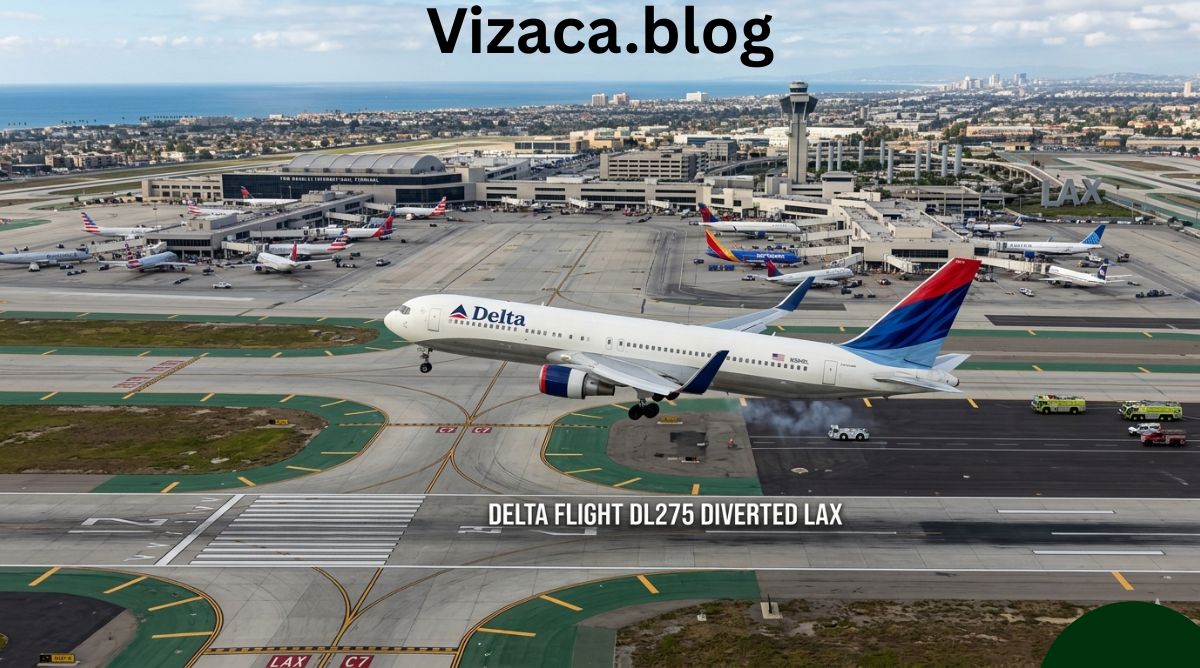
The aviation industry operates within a complex system where safety, efficiency, and passenger experience must constantly be balanced. Occasionally, unexpected situations arise that require swift decision-making from flight crews and airline operations teams. One such incident that drew attention was the diversion of Delta Flight DL275 to Los Angeles International Airport (LAX). This event not only sparked curiosity among travelers but also highlighted how airlines manage in-flight disruptions while prioritizing safety above all else.
Overview of Delta Flight DL275
Delta Flight DL275 is a long-haul international route typically operated by Delta Air Lines. The flight usually connects major global destinations and is serviced by modern wide-body aircraft designed for long-distance travel. These aircraft are equipped with advanced navigation systems, multiple redundancies, and highly trained crew members to ensure a safe journey across continents.
On the day of the incident, DL275 was en route to its intended destination when circumstances forced the crew to divert the aircraft to Los Angeles International Airport. Flight diversions are not uncommon in aviation, but each case carries its own set of factors and operational considerations.
What Does Flight Diversion Mean
A flight diversion occurs when an aircraft must land at an airport different from its originally scheduled destination. This decision is never taken lightly and is always based on ensuring the safety and well-being of passengers, crew, and the aircraft itself. Diversions can happen for a variety of reasons, including medical emergencies, technical issues, adverse weather conditions, or security concerns.
In the case of DL275, the diversion to LAX indicates that the crew identified a situation that required immediate attention and determined that Los Angeles was the most suitable airport to handle it. Major international hubs like LAX are often chosen because they have the facilities, personnel, and resources needed to respond effectively.
Possible Reasons Behind the Diversion
While the exact cause of the DL275 diversion may vary depending on official reports, there are several common reasons why such a decision might be made.
One of the most frequent causes is a medical emergency onboard. If a passenger or crew member experiences a serious health issue, pilots may divert to the nearest airport capable of providing urgent medical care. In such cases, time is critical, and the diversion is executed as quickly as possible.
Technical issues are another major factor. Modern aircraft are equipped with sophisticated systems that continuously monitor performance. If any irregularities are detected—such as engine warnings, pressurization concerns, or hydraulic system alerts—the crew may decide to land at the nearest suitable airport for inspection.
Weather conditions can also play a significant role. Unexpected turbulence, storms, or poor visibility at the destination airport might force a change in plans. Pilots must ensure that landing conditions are safe, and if they are not, diversion becomes necessary.
Security concerns, although less common, can also lead to diversions. Any potential threat onboard or on the ground at the destination airport would require immediate action to safeguard everyone involved.
Why Los Angeles International Airport Was Chosen
Los Angeles International Airport is one of the busiest and most well-equipped airports in the world. It serves as a major hub for international and domestic flights and offers extensive infrastructure to handle emergencies and unscheduled landings.
The airport has multiple long runways capable of accommodating large wide-body aircraft. It also has access to advanced maintenance facilities, medical services, and a wide network of airline support staff. These factors make LAX an ideal choice when a flight needs to divert, especially for long-haul routes.
Additionally, the geographic location of Los Angeles makes it a strategic point for transpacific and international flights. If DL275 was traveling across the Pacific or along the West Coast, LAX would likely be one of the closest major airports available.
How Pilots Handle Diversion Decisions
Pilots undergo extensive training to handle in-flight emergencies and unexpected situations. When a potential issue arises, they follow a structured decision-making process. This includes assessing the severity of the situation, consulting with airline operations centers, and considering nearby airports.
Communication is key during this process. Pilots remain in constant contact with air traffic control and their airline’s operations team. Together, they evaluate factors such as weather conditions, runway availability, and emergency services at potential diversion airports.
Once a decision is made, the crew informs passengers and prepares the aircraft for landing. Safety procedures are followed meticulously to ensure a smooth and secure arrival.
Passenger Experience During the Diversion
For passengers, a flight diversion can be both confusing and stressful. However, airlines strive to manage the situation as smoothly as possible. Cabin crew play a crucial role in keeping passengers informed and calm throughout the process.
Announcements are typically made to explain the reason for the diversion, although details may be limited depending on the situation. Passengers are instructed to remain seated and follow all safety guidelines during the descent and landing.
After landing, passengers may be required to stay onboard temporarily while the issue is addressed. In some cases, they may disembark and be accommodated in the airport or provided with alternative travel arrangements.
Airlines often offer assistance such as rebooking flights, providing meals, or arranging hotel stays if the delay is significant. Customer service teams work to minimize inconvenience and ensure passengers reach their final destination as soon as possible.
Operational Impact on the Airline
A flight diversion has significant operational implications for the airline. It can disrupt schedules, affect connecting flights, and require additional resources to manage the situation.
Maintenance crews may need to inspect the aircraft, which can lead to delays in returning it to service. Crew schedules may also be impacted, as pilots and flight attendants have regulated duty hours that must be adhered to.
Despite these challenges, airlines prioritize safety above all else. The cost and inconvenience of a diversion are considered secondary to ensuring that passengers and crew remain safe.
Role of Air Traffic Control
Air traffic control plays a vital role in managing flight diversions. Controllers coordinate with the flight crew to provide guidance on the safest and most efficient route to the diversion airport.
They also ensure that the aircraft receives priority handling if the situation requires it. This may involve clearing other traffic, assigning a suitable runway, and coordinating with emergency services on the ground.
The seamless collaboration between pilots and air traffic control is essential for a successful diversion.
Safety Measures in Modern Aviation
The diversion of DL275 underscores the importance of safety measures in modern aviation. Aircraft are designed with multiple layers of redundancy, meaning that even if one system fails, others can take over.
Regular maintenance checks and inspections ensure that aircraft remain in optimal condition. Pilots and crew members undergo continuous training to stay prepared for any situation.
Airlines also invest heavily in technology and data analysis to monitor flight performance and identify potential issues before they become critical. These measures contribute to the high safety standards that define the aviation industry.
Public and Media Attention
Incidents like the diversion of DL275 often attract media attention and public interest. Travelers are naturally curious about what happened and whether it could affect their own journeys.
While initial reports may be limited, airlines typically release official statements once more information becomes available. These statements aim to provide clarity and reassure the public that appropriate measures were taken.
It is important to rely on verified information rather than speculation, as details can evolve over time.
Lessons Learned from the Incident
Every aviation incident provides an opportunity to learn and improve. Airlines conduct thorough investigations to understand what happened and identify any areas for enhancement.
This process may involve reviewing flight data, crew actions, and maintenance records. The findings are used to refine procedures, update training programs, and implement new safety measures if necessary.
The goal is to ensure that similar situations can be handled even more effectively in the future.
Conclusion
The diversion of Delta Flight DL275 to Los Angeles International Airport highlights the dynamic nature of air travel and the importance of safety in every aspect of aviation. While such incidents may cause temporary inconvenience, they demonstrate the effectiveness of the systems and protocols in place to protect passengers and crew.
From the quick decision-making of pilots to the support provided by ground teams and air traffic control, every element works together to ensure a safe outcome. As air travel continues to evolve, the lessons learned from events like this contribute to making the skies even safer for everyone.