 By Admin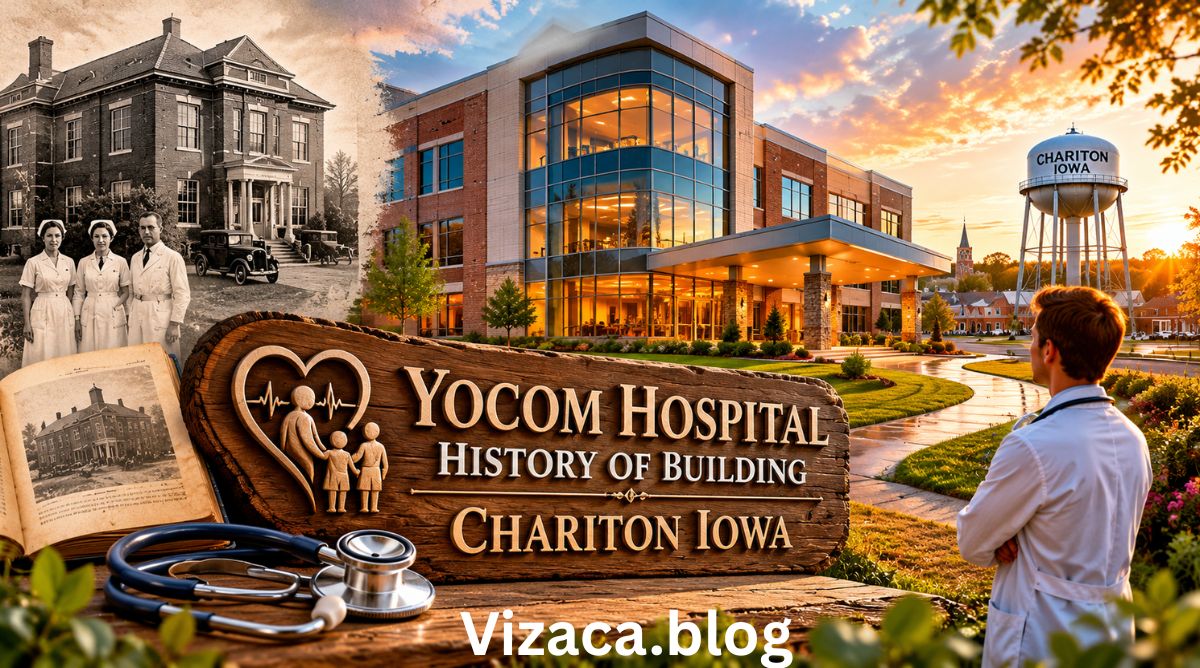
Introduction
The yocom hospital history of building chariton lowa is an important subject for those interested in local history, healthcare development, architecture, and community growth. Historic hospitals often represent more than medical facilities. They reflect the values, priorities, and ambitions of the communities that built them. In many small American towns, hospitals served as symbols of progress and commitment to public well-being.
The story of Yocom Hospital is closely tied to the development of Chariton, Iowa. As populations grew and medical science advanced, communities recognized the need for dedicated healthcare facilities capable of serving residents during times of illness, injury, and public health emergencies. Hospitals became essential institutions that contributed to both physical health and economic stability.
Examining the history of a hospital building allows historians to understand how medical care evolved over time. The design of patient rooms, operating spaces, support services, and administrative areas often reflects the medical knowledge and technological capabilities of a particular era.
Today, interest in historic hospital buildings continues because they provide valuable insight into community development, healthcare innovation, and architectural preservation. The history of Yocom Hospital remains an important chapter in the story of Chariton and its residents.
Early Development of Healthcare in Small Communities
Before dedicated hospitals became common, healthcare in small communities was often provided through home visits by physicians. Patients typically received treatment in their homes, where family members assisted with care and recovery.
Medical resources were limited, and transportation challenges often made access to advanced treatment difficult. Rural communities frequently lacked specialized facilities, forcing residents to travel significant distances when serious medical conditions arose.
As populations increased during the late nineteenth and early twentieth centuries, demand for organized healthcare services grew. Communities began investing in hospitals to provide professional medical treatment under one roof.
The establishment of local hospitals represented a major advancement in public health. These institutions improved access to medical care and helped reduce the burden on families caring for seriously ill relatives at home.
Growth of Chariton as a Community
Chariton developed as an important regional center within Iowa. Agriculture played a major role in the local economy, attracting families and businesses seeking opportunities for growth and prosperity.
As the community expanded, local leaders recognized the need for improved infrastructure. Schools, public buildings, transportation systems, and healthcare facilities became priorities for civic development.
Population growth naturally increased demand for medical services. Accidents, infectious diseases, childbirth, and chronic illnesses required more structured healthcare solutions than home-based care alone could provide.
The development of healthcare facilities reflected Chariton’s commitment to supporting residents and creating a stable, thriving community for future generations.
See Also: crypticstreet user friendly guide to digital security
Need for a Modern Hospital Facility
The construction of a hospital building often begins with recognition of a community need. As medical knowledge expanded, healthcare providers required dedicated spaces equipped for surgery, patient observation, emergency treatment, and recovery.
Local residents, physicians, civic organizations, and community leaders frequently worked together to support hospital projects. Fundraising campaigns and public initiatives often played important roles in securing financial resources.
A modern hospital represented a significant investment. Beyond healthcare benefits, it demonstrated confidence in the future growth and stability of the community.
For Chariton, the development of a hospital facility helped ensure that residents could receive professional medical care closer to home.
Architectural Design and Construction
Hospital architecture has always balanced functionality with patient comfort. Designers must consider sanitation, accessibility, safety, and operational efficiency while creating spaces suitable for medical treatment.
Historic hospital buildings often featured large windows, spacious hallways, and carefully planned ventilation systems. At the time, fresh air and natural light were believed to contribute positively to patient recovery.
Construction projects required skilled labor, quality materials, and careful planning. Builders worked to create durable structures capable of supporting complex healthcare operations.
The architectural characteristics of hospital buildings often provide valuable insight into the priorities and design philosophies of the era in which they were constructed.
Role of Yocom Hospital in Community Healthcare
Hospitals serve as central healthcare institutions within their communities. They provide emergency services, surgical care, diagnostic support, and treatment for a wide variety of medical conditions.
Yocom Hospital likely became an important resource for residents seeking professional medical attention. The presence of a local hospital improved healthcare accessibility and reduced the need for long-distance travel.
Medical staff working within hospital environments contribute not only to patient care but also to public confidence. Communities often develop strong emotional connections to healthcare institutions that serve multiple generations.
Through its services and operations, the hospital became part of the daily life and history of Chariton.
Medical Practices During the Early Years
Medical treatment during earlier periods differed significantly from modern healthcare. Advances in antibiotics, diagnostic imaging, surgical techniques, and patient monitoring had not yet reached contemporary levels.
Healthcare professionals relied heavily on clinical observation, experience, and available medical knowledge. Despite limitations, hospitals represented important centers of innovation and professional development.
Patients benefited from access to trained medical personnel and organized treatment environments. Hospitals provided a level of care that was often difficult to achieve within private homes.
The evolution of medical practice reflects ongoing efforts to improve patient outcomes and healthcare quality.
Impact on Local Families
Hospitals affect communities on a deeply personal level. Births, recoveries, surgeries, emergencies, and end-of-life care create lasting memories for patients and their families.
For many residents, the local hospital becomes associated with important life events. Generations of families may share experiences connected to the same institution.
The availability of healthcare services provides reassurance during times of uncertainty. Knowing that medical assistance is nearby contributes to community confidence and stability.
The history of a hospital is therefore also the history of the people it serves.
See Also: From Savings to Success: The CryptoProNetwork Finance Guide
Healthcare Professionals and Community Service
Hospitals depend on the dedication of physicians, nurses, technicians, administrators, and support staff. These professionals play essential roles in maintaining quality patient care.
Healthcare workers often become respected members of their communities due to their expertise and service. Their contributions extend beyond medical treatment and frequently include public health education and community outreach.
The success of a hospital depends not only on its physical structure but also on the commitment of the individuals working within it.
Professional healthcare teams help transform buildings into centers of healing and support.
Technological Changes in Hospital Operations
Medical technology has transformed healthcare over time. Early hospitals operated with relatively basic equipment compared to modern standards.
As scientific knowledge advanced, hospitals incorporated new diagnostic tools, laboratory capabilities, surgical equipment, and treatment methods.
Technological improvements enhanced patient safety, treatment effectiveness, and operational efficiency. Hospitals continuously adapted to changing healthcare standards and expectations.
These developments illustrate the dynamic nature of medical progress and institutional growth.
Historical Significance of Hospital Buildings
Historic hospital buildings hold value beyond their original healthcare functions. They represent important examples of community planning, architectural design, and social development.
Researchers often study hospital structures to better understand local history and healthcare evolution. Preservation efforts help maintain connections to the past while educating future generations.
Many historic medical facilities become landmarks because of their contributions to public service and community identity.
The history of hospital buildings provides insight into changing attitudes toward health, science, and public welfare.
Community Preservation and Historical Interest
Interest in preserving historic structures has increased in many communities. Former hospitals often attract attention from historians, preservationists, and local residents who recognize their cultural importance.
Preservation efforts may include historical documentation, restoration projects, educational programs, and public awareness initiatives.
Historic buildings contribute to community character and provide opportunities for learning about local heritage.
Maintaining historical records ensures that significant achievements and contributions are not forgotten.
Legacy of Yocom Hospital
The legacy of Yocom Hospital extends beyond its physical structure. Its history reflects the efforts of community members who invested in healthcare, supported medical services, and worked to improve quality of life for local residents.
Hospitals serve as symbols of compassion, progress, and public responsibility. Their stories highlight the importance of collaboration and shared commitment to community well-being.
The experiences of patients, families, healthcare professionals, and civic leaders collectively shape the legacy of such institutions.
Understanding this legacy helps preserve an important part of local history.
Conclusion
The yocom hospital history of building chariton lowa represents a meaningful chapter in the development of healthcare and community life. From the early need for organized medical services to the construction and operation of a dedicated healthcare facility, the story reflects broader themes of progress, public service, and local commitment.
Hospital buildings are more than structures made of brick and stone. They are places where generations receive care, experience significant life events, and witness medical advancement. The historical importance of Yocom Hospital continues to inspire interest among those who value healthcare history, architectural heritage, and community development.
By exploring its history, we gain a deeper appreciation for the individuals and organizations whose efforts helped create and sustain an institution dedicated to serving the people of Chariton for many years.