 By Admin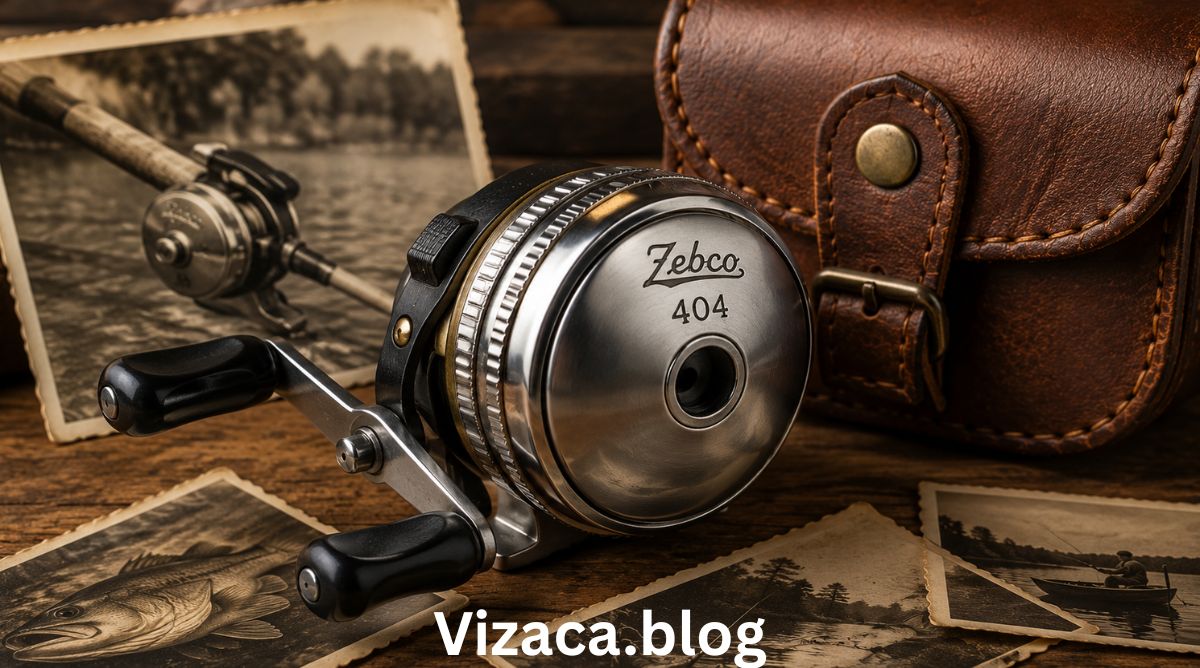
Introduction
The Zebco 404 with leather antireverse pic history is an interesting topic for fishing enthusiasts, collectors, and historians who appreciate the development of classic fishing equipment. Over the decades, Zebco became one of the most recognized names in recreational fishing, producing reels that were affordable, durable, and easy to use. Among these products, the Zebco 404 gained a reputation as a reliable spincast reel that introduced countless anglers to the sport.
The history of the Zebco 404 is closely connected to the growth of recreational fishing in North America. During the twentieth century, fishing transformed from a necessity for food gathering into a popular leisure activity enjoyed by families and outdoor enthusiasts. As participation increased, the demand for simple and dependable fishing gear also grew. Zebco responded by creating reels designed to reduce complexity while maintaining solid performance.
One of the features that attracts collectors and historians today is the antireverse mechanism found in older Zebco reels. Early versions used components that reflected the manufacturing methods and materials available at the time. The mention of leather antireverse systems often sparks curiosity because leather was commonly used in various mechanical applications before modern synthetic materials became widespread.
Understanding the Zebco 404 with leather antireverse pic history provides insight into both fishing technology and industrial design. It reveals how manufacturers solved mechanical challenges while keeping products affordable for everyday consumers.
Origins of Zebco
The story of Zebco began long before the introduction of the 404 reel. The company originally developed products related to controlled electrical devices before shifting its focus toward fishing equipment. Over time, Zebco recognized an opportunity to simplify fishing reel operation and make the sport more accessible to beginners.
Traditional fishing reels often required practice and skill to use effectively. Casting could be difficult for inexperienced anglers, leading to frustration and tangled fishing lines. Zebco’s innovative approach focused on eliminating these problems through the development of spincast technology.
As the company expanded, it introduced multiple reel models designed for different users. Some targeted experienced anglers, while others were intended for beginners and families. The 404 eventually emerged as one of the most recognizable products in the lineup.
The success of Zebco demonstrated that fishing equipment could be both functional and user-friendly. This philosophy helped the company become a household name among outdoor enthusiasts.
See Also: Glacier National Park Home Dispute
Development of the Zebco 404
The Zebco 404 was created to offer a practical and durable fishing reel capable of handling a variety of freshwater fishing situations. It quickly became known for its simple operation, making it attractive to beginners while remaining useful for experienced anglers.
One reason for the reel’s popularity was its push-button casting system. Unlike conventional reels that required more complicated handling, the 404 allowed users to cast with minimal effort. This simplicity encouraged many newcomers to develop confidence and enjoy the fishing experience.
The reel was also designed with durability in mind. Its sturdy construction helped it withstand frequent use, making it a popular choice among families and casual anglers. Many owners reported using their reels for years with minimal maintenance.
As production continued, the Zebco 404 underwent various design changes and improvements. Different generations reflected evolving manufacturing technologies, material choices, and consumer preferences.
Understanding Antireverse Technology
Antireverse technology is an important feature in fishing reels. Its primary purpose is to prevent the reel handle from rotating backward when a fish pulls on the line. This mechanism helps maintain control and improves hook-setting performance.
Without an antireverse system, anglers could experience unwanted handle movement that reduced efficiency during fishing. By preventing backward rotation, the reel provides more direct power transfer between the angler and the fish.
Early reel manufacturers experimented with different methods to achieve antireverse functionality. These solutions often reflected the available materials and engineering knowledge of the period.
As reel technology evolved, antireverse systems became increasingly sophisticated. However, examining older designs provides valuable insight into the ingenuity of earlier engineers and manufacturers.
The Role of Leather in Early Mechanical Systems
Leather played an important role in many mechanical devices before modern synthetic materials became common. Its flexibility, durability, and friction properties made it useful in numerous industrial applications.
In machinery, leather was frequently used for belts, washers, seals, and friction components. Manufacturers valued its ability to absorb shock and provide controlled resistance between moving parts.
When discussing the Zebco 404 with leather antireverse pic history, references to leather components often highlight a period when natural materials were widely used in consumer products. These components reflected practical engineering solutions rather than decorative choices.
The use of leather also demonstrates how manufacturers adapted available resources to achieve reliable performance. Although synthetic materials later replaced many leather applications, these early designs remain fascinating examples of historical engineering.
See Also: How Waters CryptoProNetworkCom Works in the Crypto World
Design Characteristics of Early Zebco Reels
Early Zebco reels featured design elements that distinguished them from competing products. Their enclosed spool systems protected fishing line from tangles and environmental exposure.
The reels often incorporated durable metal components that contributed to long service life. Manufacturing techniques emphasized reliability and ease of operation rather than unnecessary complexity.
Collectors frequently examine details such as handle designs, reel covers, logos, and internal mechanisms when identifying different production periods. Small variations can reveal significant information about manufacturing history.
The Zebco 404 became particularly notable because it balanced affordability with dependable performance. This combination helped establish its reputation among generations of anglers.
Collecting Vintage Zebco 404 Reels
Vintage fishing equipment has become increasingly popular among collectors. Many enthusiasts enjoy researching historical models, restoring old reels, and preserving outdoor heritage.
The Zebco 404 holds a special place within this collecting community. Its long production history means that numerous variations exist, each representing different manufacturing periods.
Collectors often search for reels with original components, intact finishes, and functioning mechanisms. Documentation, photographs, and historical advertisements can further enhance a reel’s significance.
Interest in the Zebco 404 with leather antireverse pic history stems partly from the desire to understand how fishing technology evolved over time. Each surviving reel provides a tangible connection to the past.
Historical Importance in Recreational Fishing
The Zebco 404 played a meaningful role in expanding participation in recreational fishing. By simplifying reel operation, it reduced barriers that might otherwise discourage beginners.
Families often introduced children to fishing using Zebco equipment because of its ease of use. This accessibility contributed to the growth of outdoor recreation across many communities.
Fishing itself offers numerous benefits, including relaxation, skill development, and appreciation of nature. Reliable equipment such as the Zebco 404 helped make these experiences available to a wider audience.
The reel’s historical significance extends beyond its mechanical features. It represents a broader movement toward making outdoor activities more inclusive and enjoyable.
Evolution of Materials and Manufacturing
As manufacturing technology advanced, reel construction materials changed significantly. Metal alloys improved, plastics became more durable, and synthetic materials replaced many traditional components.
These developments allowed manufacturers to reduce weight, improve corrosion resistance, and increase production efficiency. Modern reels often incorporate advanced engineering techniques that were unavailable during earlier decades.
Despite these innovations, many anglers continue to appreciate older reels for their craftsmanship and historical character. Vintage models often reflect a distinct design philosophy centered on durability and simplicity.
Studying the evolution of materials helps explain why certain features found in early Zebco reels differ from those seen in contemporary products.
Preservation and Restoration
Preserving vintage fishing equipment requires careful attention to detail. Collectors often clean reels, replace damaged components, and protect surfaces from further deterioration.
Restoration efforts vary depending on the condition and rarity of the reel. Some collectors prioritize originality, while others focus on returning equipment to operational status.
Historical research plays an important role in accurate restoration. Understanding original materials, finishes, and mechanical configurations helps ensure authenticity.
The Zebco 404 remains a popular restoration project because replacement parts are sometimes available and the reel’s design is relatively straightforward.
Lasting Legacy
The lasting legacy of the Zebco 404 reflects its impact on recreational fishing and consumer product design. For many people, it was the reel that introduced them to fishing and inspired a lifelong appreciation for the outdoors.
Its reputation for simplicity, durability, and accessibility continues to attract interest from collectors and anglers alike. Historical discussions surrounding features such as leather antireverse mechanisms highlight the creativity and resourcefulness of earlier manufacturing practices.
The Zebco 404 demonstrates how thoughtful engineering can create products that remain relevant and admired decades after their introduction.
Conclusion
The Zebco 404 with leather antireverse pic history offers a fascinating glimpse into the development of recreational fishing equipment. From its origins within a growing outdoor industry to its role in introducing countless individuals to fishing, the reel occupies an important place in angling history.
Its design reflects the technological capabilities and material choices of its era, while its continued popularity demonstrates the enduring value of reliability and simplicity. Whether viewed as a collectible artifact, a functional fishing tool, or a piece of industrial history, the Zebco 404 remains a noteworthy example of classic fishing equipment that continues to inspire interest among enthusiasts around the world.