 By Admin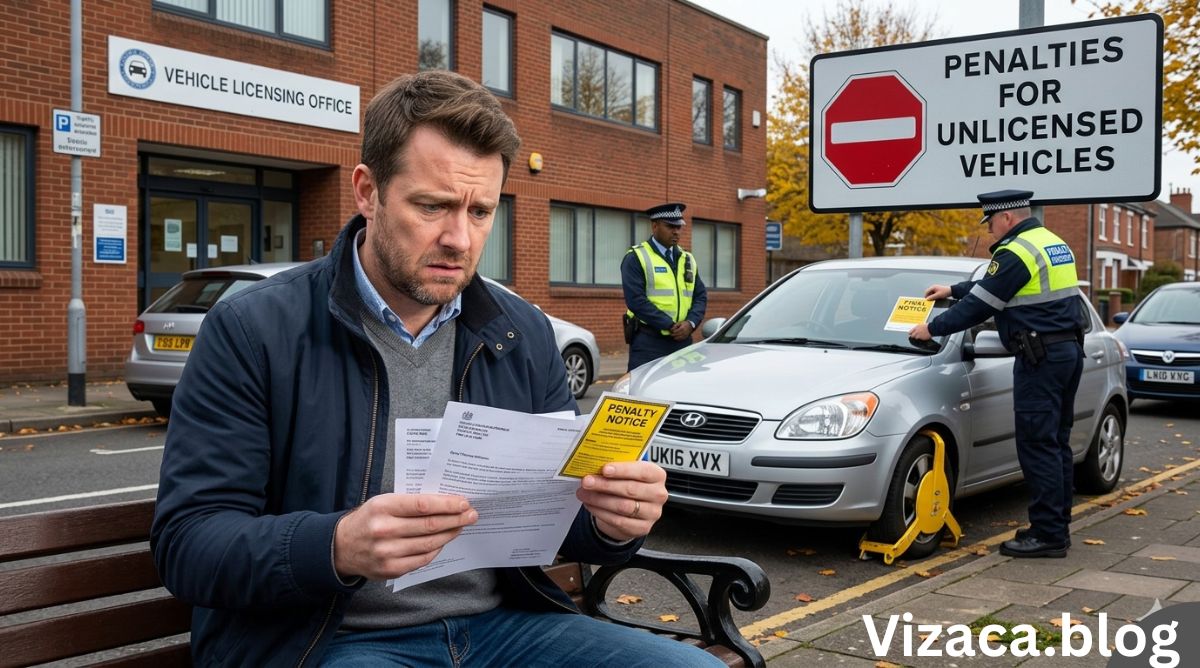
Understanding byron thomas williams vehicle licensing penalties and their legal context
The phrase byron thomas williams vehicle licensing penalties appears to relate to a situation involving an individual and issues connected to vehicle licensing regulations and penalties. While specific personal cases may vary, the broader topic falls under traffic law and regulatory enforcement, which is a structured part of Law. Vehicle licensing penalties are imposed when drivers or vehicle owners fail to comply with legal requirements set by transportation authorities.
Vehicle licensing laws are designed to ensure that all vehicles on the road meet safety, environmental, and registration standards. These laws help maintain order, reduce risks, and ensure accountability among drivers. When violations occur, penalties are applied to enforce compliance and deter future offenses.
Understanding how these penalties work requires a closer look at the legal framework, enforcement mechanisms, and consequences associated with non-compliance.
Importance of vehicle licensing regulations
Vehicle licensing regulations are essential for maintaining road safety and proper vehicle management. Governments implement these regulations to track vehicle ownership, ensure roadworthiness, and collect necessary fees and taxes.
Licensing systems also help authorities identify vehicles involved in accidents, crimes, or violations. Without proper licensing, it would be difficult to enforce traffic laws effectively.
These regulations contribute to public safety by ensuring that vehicles meet minimum standards for operation. Regular inspections and renewals help identify mechanical issues that could pose risks on the road.
Failure to comply with licensing requirements can lead to penalties, which serve as a mechanism to enforce adherence to these rules.
Common types of vehicle licensing violations
Vehicle licensing penalties can arise from various types of violations. One of the most common is driving with an expired vehicle registration. This occurs when a vehicle owner fails to renew the registration within the required time frame.
Another common violation is operating an unregistered vehicle. This can happen when a vehicle has never been properly registered or when ownership changes have not been updated.
Driving without a valid driver’s license is also a serious offense. Licensing requirements ensure that drivers have the necessary skills and knowledge to operate vehicles safely.
Other violations may include failure to display license plates, using false registration documents, or not meeting inspection requirements.
Each of these violations carries specific penalties depending on the severity and jurisdiction.
Types of penalties associated with licensing violations
Penalties for vehicle licensing violations vary based on the nature of the offense and local laws. Financial fines are the most common form of penalty. These fines are intended to discourage non-compliance and compensate for administrative costs.
In some cases, authorities may impose additional penalties such as points on a driver’s record. Accumulating too many points can lead to further consequences, including license suspension.
Vehicle impoundment is another possible penalty, particularly for serious or repeated violations. This involves temporarily seizing the vehicle until the issue is resolved.
License suspension or revocation may occur in cases of severe or repeated offenses. This restricts the individual’s ability to legally operate a vehicle.
These penalties are designed to enforce compliance and maintain road safety.
Legal procedures and enforcement mechanisms
Enforcement of vehicle licensing regulations involves multiple agencies, including traffic police and transportation authorities. These agencies conduct routine checks and use technology to identify violations.
Roadside inspections are a common method of enforcement. Officers may stop vehicles to verify registration, licensing, and compliance with regulations.
Automated systems such as license plate recognition cameras are also used to detect unregistered or non-compliant vehicles.
When a violation is identified, a citation or notice is issued. The individual may be required to pay a fine, appear in court, or take corrective action.
Legal procedures ensure that penalties are applied fairly and consistently, with opportunities for individuals to contest or appeal decisions.
Impact of penalties on individuals
Vehicle licensing penalties can have significant consequences for individuals. Financial fines can create economic strain, especially if multiple violations occur.
License suspension can affect a person’s ability to commute to work, attend school, or carry out daily activities. This can lead to broader social and economic challenges.
A record of violations may also impact insurance costs. Insurance providers often consider driving history when determining premiums, and repeated violations can result in higher rates.
In some cases, legal consequences may extend beyond fines, including court appearances or additional sanctions.
Understanding these impacts highlights the importance of complying with licensing requirements.
Role of compliance and responsibility
Compliance with vehicle licensing laws is a fundamental responsibility of every vehicle owner and driver. Staying informed about renewal dates, documentation requirements, and legal obligations helps prevent violations.
Regular maintenance and inspections ensure that vehicles meet safety standards. Keeping records updated and accessible can also help avoid issues during inspections.
Responsibility extends to understanding local laws and regulations, as requirements may vary between regions.
Promoting a culture of compliance contributes to safer roads and more efficient transportation systems.
Differences in regulations across regions
Vehicle licensing laws and penalties can vary significantly between regions and countries. Each jurisdiction establishes its own rules based on local needs and policies.
Some regions may have stricter enforcement and higher penalties, while others may focus on education and compliance.
Differences may also exist in renewal processes, inspection requirements, and documentation standards.
Understanding regional variations is important for drivers who travel or relocate, as compliance requirements may change.
Technology and modern enforcement methods
Technology has transformed the enforcement of vehicle licensing regulations. Digital systems allow authorities to track registrations, monitor compliance, and identify violations more efficiently.
Online platforms enable vehicle owners to renew registrations and access information بسهولة, reducing administrative burden.
Advanced tools such as automated cameras and databases improve accuracy and efficiency in enforcement.
The use of Artificial Intelligence is also becoming more common, helping analyze data and detect patterns in violations.
These advancements enhance the effectiveness of regulatory systems and support better compliance.
Preventing vehicle licensing violations
Preventing violations requires proactive measures and awareness. Keeping track of renewal dates and setting reminders can help ensure timely compliance.
Maintaining proper documentation and verifying its accuracy is essential. This includes registration certificates, insurance papers, and driver’s licenses.
Regular vehicle inspections and maintenance help meet safety requirements and avoid penalties.
Education and awareness programs can also play a role in informing drivers about their responsibilities.
Taking these steps reduces the risk of violations and promotes safer driving practices.
Broader implications of licensing enforcement
Vehicle licensing enforcement has broader implications for society. It contributes to road safety by ensuring that only qualified drivers operate vehicles.
It also supports environmental goals by enforcing emission standards and vehicle inspections.
Revenue generated from fines and fees can be used to improve infrastructure and public services.
Effective enforcement creates a sense of accountability and encourages responsible behavior among drivers.
These broader benefits highlight the importance of maintaining strong regulatory systems.
Challenges in enforcement and compliance
Despite its importance, enforcing vehicle licensing regulations can present challenges. Limited resources and personnel may affect the ability to conduct thorough inspections.
Technological limitations or system inefficiencies can also impact enforcement.
Public awareness and compliance levels may vary, requiring ongoing education and outreach efforts.
Balancing strict enforcement with fairness and accessibility is another challenge faced by authorities.
Addressing these challenges requires continuous improvement and adaptation of systems and policies.
Conclusion
The topic of byron thomas williams vehicle licensing penalties reflects a broader discussion about vehicle licensing regulations and their enforcement within the framework of Law. These regulations are essential for maintaining road safety, ensuring accountability, and supporting efficient transportation systems.
Penalties serve as a mechanism to enforce compliance and deter violations, but they also have significant impacts on individuals. Understanding the legal framework, responsibilities, and consequences associated with vehicle licensing helps drivers make informed decisions and avoid issues.
As technology continues to evolve and regulatory systems improve, the effectiveness of licensing enforcement will continue to grow, contributing to safer and more organized road networks.