 By Admin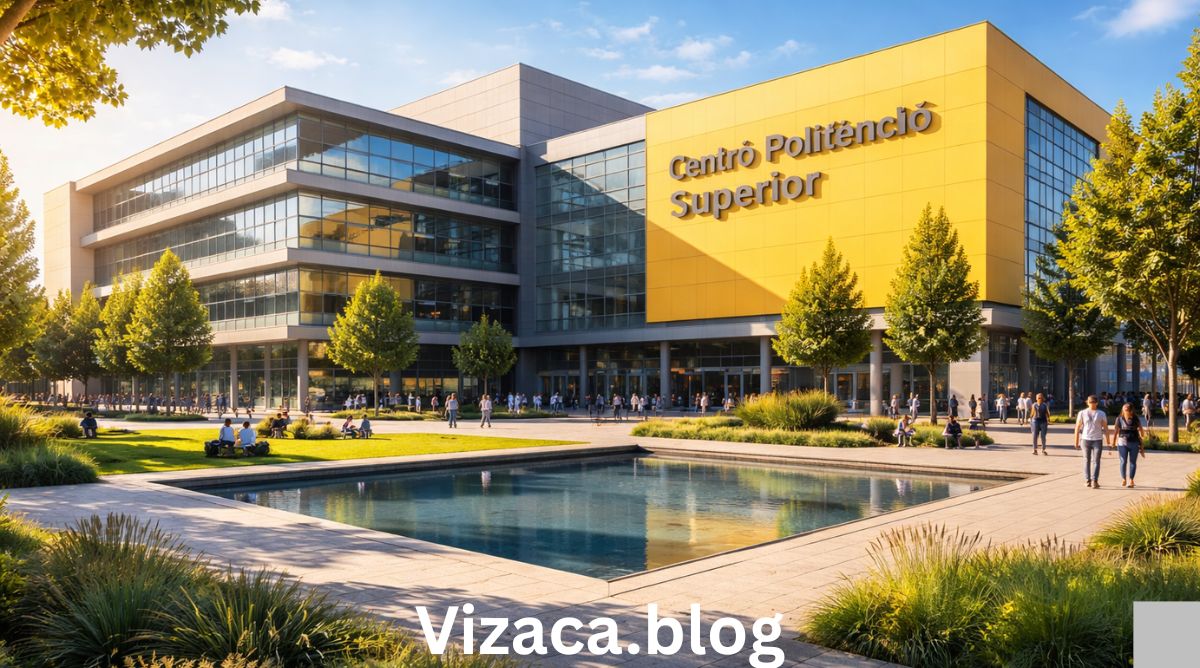
Centro Politécnico Superior was one of the most important academic institutions dedicated to engineering and technical education in Zaragoza. Known for its strong academic foundation and emphasis on innovation, the Centro Politécnico Superior played a significant role in shaping engineers, researchers, and professionals who contributed to various industrial and technological sectors.
The institution was historically associated with the University of Zaragoza, one of Spain’s oldest and most respected universities. Over time, it became a central hub for engineering education, offering specialized programs and fostering a culture of research and development.
Historical Background and Establishment
The Centro Politécnico Superior was established as part of the broader effort to modernize technical education in Spain. During the late twentieth century, there was a growing demand for highly skilled engineers capable of supporting industrial growth and technological advancement.
To meet this demand, institutions like the Centro Politécnico Superior were developed with a focus on providing high-quality education in engineering disciplines. The center brought together various engineering schools and departments under one structure, creating a unified system that promoted collaboration and efficiency.
Its establishment marked a significant milestone in the evolution of technical education within the University of Zaragoza. By consolidating resources and expertise, the institution was able to offer comprehensive programs that met both academic and industry needs.
Academic Structure and Programs
The Centro Politécnico Superior was known for offering a wide range of engineering programs. These programs were designed to provide both theoretical knowledge and practical skills, ensuring that students were well-prepared for professional careers.
Disciplines included industrial engineering, computer engineering, telecommunications, and other technical fields. Each program was structured to cover fundamental concepts as well as advanced topics, allowing students to develop a deep understanding of their chosen field.
Laboratories, workshops, and project-based learning were integral parts of the academic experience. Students had opportunities to work on real-world problems, gaining hands-on experience that enhanced their learning.
The academic structure emphasized interdisciplinary collaboration, encouraging students to work across different fields and develop innovative solutions.
Role within the University of Zaragoza
As part of the University of Zaragoza, the Centro Politécnico Superior played a central role in the university’s engineering education framework. It served as the main faculty for technical studies, attracting students from across Spain and beyond.
The institution contributed to the university’s reputation for excellence in science and technology. Its programs were aligned with national and international standards, ensuring that graduates were competitive in the global job market.
Collaboration with other faculties and research centers within the university further enhanced its impact. This integration allowed for the exchange of ideas and the development of multidisciplinary projects.
Research and Innovation
Research was a key component of the Centro Politécnico Superior’s mission. The institution supported a wide range of research activities in areas such as engineering, technology, and applied sciences.
Faculty members and students were actively involved in research projects, often collaborating with industry partners and other academic institutions. These collaborations helped bridge the gap between theoretical knowledge and practical application.
Innovation was encouraged through various initiatives, including research grants, conferences, and partnerships. The institution provided resources and support for developing new technologies and solutions.
The focus on research and innovation contributed to the advancement of knowledge and the development of new industries.
Facilities and Infrastructure
The Centro Politécnico Superior was equipped with modern facilities designed to support education and research. Classrooms were complemented by specialized laboratories and technical spaces where students could conduct experiments and projects.
Libraries and digital resources provided access to a vast range of academic materials, supporting both study and research activities. These resources were essential for maintaining high academic standards.
The campus environment was designed to foster collaboration and learning. Spaces for group work, seminars, and discussions allowed students and faculty to interact and exchange ideas.
The availability of advanced infrastructure played a crucial role in enhancing the overall educational experience.
Student Experience and Opportunities
Students at the Centro Politécnico Superior benefited from a comprehensive educational experience that combined academic rigor with practical exposure. The institution provided opportunities for internships, industry projects, and international exchange programs.
These experiences allowed students to apply their knowledge in real-world settings and gain valuable insights into their chosen professions. Exposure to industry practices helped them develop skills that were highly valued by employers.
Student organizations and activities also contributed to a vibrant campus life. These activities encouraged teamwork, leadership, and personal development.
The supportive environment helped students achieve both academic and personal growth.
Collaboration with Industry
One of the strengths of the Centro Politécnico Superior was its strong connection with industry. Partnerships with companies and organizations provided students and faculty with opportunities to engage in practical projects and research.
These collaborations ensured that academic programs remained relevant to industry needs. Feedback from industry partners helped shape curricula and improve training methods.
Internships and job placements were facilitated through these connections, providing students with pathways to employment after graduation.
The relationship between academia and industry was a key factor in the institution’s success.
Transition and Evolution
Over time, the Centro Politécnico Superior underwent changes as part of broader educational reforms. The structure of engineering education at the University of Zaragoza evolved, leading to the reorganization of faculties and departments.
The functions and programs of the Centro Politécnico Superior were integrated into newer structures within the university. This transition aimed to improve efficiency, align with European education standards, and enhance the overall quality of education.
Despite these changes, the legacy of the Centro Politécnico Superior continues to influence engineering education at the university.
Contribution to Engineering Education
The Centro Politécnico Superior made a significant contribution to engineering education in Spain. By providing high-quality programs and fostering a culture of innovation, it helped produce skilled professionals who contributed to various industries.
Graduates of the institution have gone on to work in fields such as technology, manufacturing, and research. Their contributions reflect the strong foundation provided by their education.
The institution also played a role in advancing knowledge through research and collaboration, contributing to the development of new technologies and solutions.
Importance in the Regional Context
In the region of Aragon, and particularly in Zaragoza, the Centro Politécnico Superior was an important center for education and innovation. It attracted students and professionals, contributing to the local economy and development.
The presence of a strong engineering faculty supported regional industries by providing skilled workforce and research expertise. This connection between education and industry helped drive economic growth.
The institution’s impact extended beyond the university, influencing the broader المجتمع through education and innovation.
Legacy and Continued Influence
Although the Centro Politécnico Superior as an independent entity has evolved, its legacy remains an integral part of the University of Zaragoza. The principles of quality education, research excellence, and industry collaboration continue to shape the university’s approach to engineering.
The institution’s history serves as a foundation for ongoing development and innovation. Its contributions have left a lasting impact on students, faculty, and the broader academic community.
The continued success of engineering programs at the university reflects the enduring influence of the Centro Politécnico Superior.
Conclusion
The Centro Politécnico Superior was a cornerstone of engineering education within the University of Zaragoza, located in Zaragoza. Through its academic programs, research initiatives, and industry collaborations, it played a vital role in shaping the future of engineering and technology.
Its commitment to excellence and innovation helped create a generation of professionals equipped to meet the challenges of a rapidly changing world. While the institution has evolved over time, its impact continues to be felt in the ongoing success of engineering education in the region.
The story of the Centro Politécnico Superior highlights the importance of strong academic institutions in driving progress and development. It remains a significant chapter in the history of technical education in Spain, demonstrating the value of combining knowledge, research, and practical application.
 Arthur Morgan