 By Arthur Morgan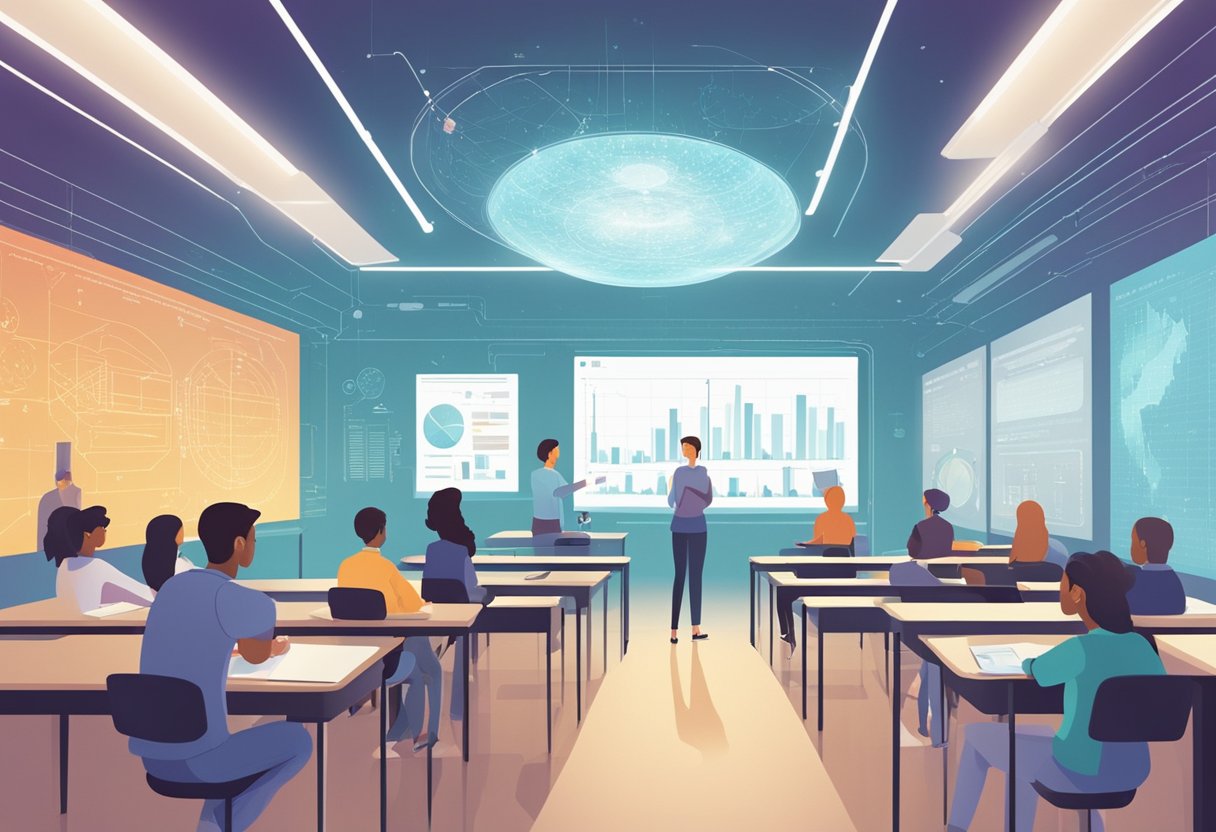
The traditional “one-size-fits-all” classroom is rapidly becoming a thing of the past. For decades, students of all backgrounds and abilities were taught using the same materials, at the same pace, and through the same assessment methods. Today, a technological shift is occurring. Predictive analytics—the use of data, statistical algorithms, and machine learning techniques to identify the likelihood of future outcomes—is now at the forefront of a pedagogical revolution.
By analyzing patterns in student behavior, performance, and engagement, educational institutions can now anticipate needs before they arise. This transition toward specialized learning ensures that every student receives a customized experience that aligns with their unique strengths and career aspirations.
Understanding Predictive Analytics in the Classroom
At its core, predictive analytics involves gathering vast amounts of data from digital learning platforms, historical grades, and even social interactions. This data is then processed to create models that forecast student success. For instance, if a student consistently struggles with specific mathematical concepts in their early years, the system can flag this pattern.
Instead of waiting for a failed exam, educators can intervene early. This proactive approach is the backbone of specialized learning. It moves education from a reactive model to a preventative one, ensuring that no learner falls through the cracks due to a lack of individual attention.
Enhancing Student Retention and Success
One of the most significant challenges in modern education, particularly in higher education, is student retention. Many students drop out not because they lack the ability, but because they feel overwhelmed or disconnected from the curriculum.
Predictive models can identify “at-risk” students by monitoring engagement metrics, such as how often they log into their portal or participate in forum discussions. When an university identifies these students early, they can provide tailored support. Sometimes, this support comes in the form of a dedicated assignment writer who can guide the student through complex academic requirements, helping them regain their confidence and stay on track for graduation.
The Shift Toward Personalized Learning Paths
Specialized learning means that the curriculum adapts to the student, rather than the student forced to adapt to a rigid syllabus. Predictive analytics allows for the creation of “Personalized Learning Paths.”
If a student shows a high aptitude for visual learning and a keen interest in data science, the system can suggest elective modules, extra-curricular projects, and reading materials that lean into those strengths. This level of specialization ensures that by the time a student enters the workforce, they aren’t just a generalist; they are a specialist with a portfolio that reflects their specific talents.
Empowering Educators with Data-Driven Insights
There is a common misconception that AI and analytics will replace teachers. In reality, these tools empower educators. Instead of spending hours manually grading and trying to spot trends across 100 different students, teachers receive automated reports.
These reports highlight which topics the majority of the class finds difficult and which students need extra one-on-one time. This allows teachers to spend less time on administration and more time on mentorship. By using data to handle the “diagnostic” part of teaching, educators can focus on the “human” part—inspiring and motivating their students.
The Role of Complex Data Tools in Specialized Education
As education becomes more data-heavy, the tools used to analyze that data become more sophisticated. Students today are often required to master complex software as part of their specialized training. For those studying social sciences or business, understanding statistical software is no longer optional.
Navigating these platforms can be daunting. Many students find that they require spss assignment help to master the intricate data modeling techniques required in modern degree programs. This hands-on experience with predictive tools while still in school prepares students for the reality of a data-driven job market.
Future-Proofing Careers Through Analytics
The impact of predictive analytics extends far beyond the classroom. It is fundamental in helping students choose the right career path. By analyzing job market trends alongside a student’s academic performance, schools can provide better career counseling.
If data shows a rising demand for renewable energy engineers and a student has excelled in physics and environmental science, the school can suggest specific certifications. This alignment between education and industry demand reduces the “skills gap” and ensures that graduates are ready to contribute to the economy from day one.
Ethical Considerations and Data Privacy
While the benefits are clear, the rise of predictive analytics brings up important questions regarding privacy. Schools must be transparent about what data they collect and how they use it. Protecting student anonymity and ensuring that algorithms are free from bias is essential. Specialized learning should be a tool for equity, providing more resources to those who need them most, rather than a system that pigeonholes students based on past mistakes.
Conclusion
The integration of predictive analytics into education is not just a trend; it is a fundamental shift in how we perceive intelligence and growth. By moving away from standardized testing and toward specialized, data-informed instruction, we are creating a more inclusive and effective educational system.
As we continue to refine these technologies, the focus remains on the student. The goal is to provide a learning environment where every individual has the tools, the support, and the specialized path they need to achieve their full potential.
 Admin
Admin