 By Admin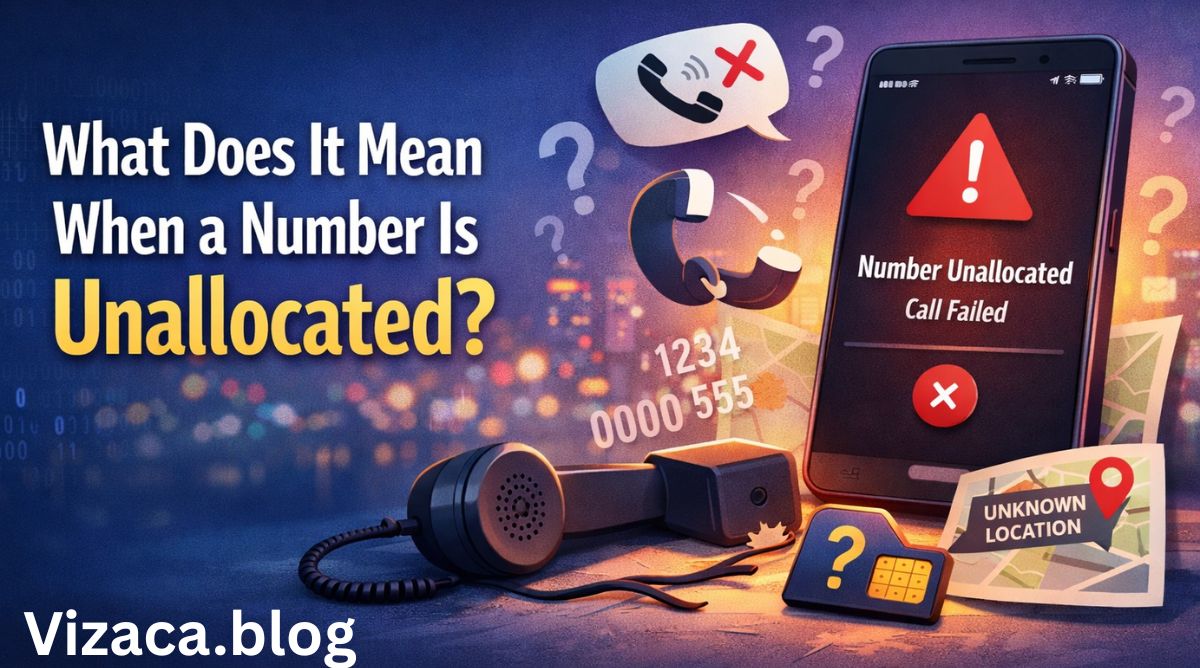
Introduction to What Does It Mean When a Number Is Unallocated
When people encounter the message that a phone number is unallocated, it often causes confusion. Many assume it means the number has been disconnected, blocked, or permanently removed. However, the meaning is more specific and technical. Understanding what does it mean when a number is unallocated requires basic knowledge of how telecommunications systems assign and manage phone numbers. In simple terms, an unallocated number is a telephone number that has not yet been assigned to any customer or service provider for active use. It exists within the numbering system but is not currently in operation.
Phone numbers are carefully organized and distributed by regulatory authorities and telecommunications providers. Every country has a numbering plan that defines how numbers are structured and assigned. When a number is unallocated, it means it is still part of the available pool and has not been given to a subscriber. It does not belong to any individual, business, or organization at that moment.
How Phone Numbers Are Allocated
To better understand what does it mean when a number is unallocated, it is important to understand how numbers are allocated in the first place. Telecommunications authorities assign blocks of numbers to service providers. These providers then distribute individual numbers to customers when they activate new phone lines.
For example, a telecom company may receive thousands of numbers within a certain area code. When someone purchases a new SIM card or sets up a new landline, the provider assigns one available number from that block. Until that assignment happens, the number remains unallocated.
The allocation process is controlled to prevent duplication and ensure efficient use of available numbers. Once a number is assigned to a user, it becomes active and can send or receive calls and messages. If it has never been assigned or has been released back into the system, it may show as unallocated.
Common Situations Where a Number Is Unallocated
There are several scenarios where you might hear a message indicating that a number is unallocated. One common situation occurs when dialing a number that has not yet been issued to anyone. The system recognizes the number format but confirms it is not active in the network.
Another situation occurs when a previously active number has been disconnected and returned to the provider’s available pool. After a certain period, it may temporarily show as unallocated until reassigned.
Sometimes, callers receive an automated message stating that the number you have dialed is unallocated. This typically means the number does not currently exist in the active database of the telecommunications provider.
Typing errors can also lead to this message. If even one digit is incorrect, the system may interpret the number as one that has not been allocated.
Difference Between Unallocated and Disconnected Numbers
Many people confuse unallocated numbers with disconnected numbers. However, these are not always the same. A disconnected number was previously active but has been terminated. It may still be associated with a former user until fully cleared from the system.
An unallocated number, on the other hand, has not been assigned to anyone at that specific time. It may have never been used before, or it may have been released and cleared from its previous assignment.
This distinction is important because disconnected numbers might still be reserved temporarily, while unallocated numbers are completely free within the system.
Technical Meaning in Telecommunications Systems
From a technical perspective, telecommunications networks maintain large routing databases. When a call is placed, the system checks whether the dialed number exists in the routing tables. If the number is unallocated, the network cannot route the call because there is no subscriber or device linked to that number.
The network then plays an automated message informing the caller that the number is unallocated or not recognized. This prevents calls from being misrouted or delivered to unintended recipients.
The concept of unallocated numbers helps maintain system integrity and ensures efficient management of numbering resources.
Reasons a Number May Become Unallocated
A number can become unallocated for several reasons. One reason is customer cancellation. When someone cancels their phone service, the provider may eventually return the number to the pool of available numbers. During the transition period, the number might show as unallocated.
Another reason is regulatory restructuring. In some cases, area codes or numbering plans change. Old numbers may be phased out and marked unallocated before being reissued in a new format.
Fraud prevention can also lead to numbers being marked unallocated. If suspicious activity is detected, a provider may deactivate a number and remove it from active service.
In business environments, companies may release blocks of unused numbers, which then revert to unallocated status until reassigned.
Impact on Callers and Businesses
Understanding what does it mean when a number is unallocated is important for both individuals and businesses. For callers, it usually means the number they are trying to reach is not valid at that moment. The call will not connect, and messages cannot be delivered.
For businesses, dialing unallocated numbers can waste time and resources. Marketing campaigns that rely on outdated contact lists may encounter high numbers of unallocated responses. This can indicate that the contact data needs updating.
Companies that manage customer databases often perform number validation checks to ensure numbers are active and allocated before launching communication campaigns.
Security and Fraud Considerations
In some cases, scammers use tactics involving unallocated numbers. For example, missed call scams may originate from numbers that later appear unallocated. This can make it difficult to trace the origin of the call.
However, simply receiving an unallocated message does not automatically indicate fraud. Most often, it is simply the result of dialing an inactive or unused number.
Telecommunications providers use allocation systems to reduce misuse and ensure accountability. Numbers that remain unallocated cannot be used for communication until officially assigned.
International Numbering and Unallocated Status
Number allocation systems vary from country to country. Each country has its own regulatory authority responsible for distributing number blocks to carriers. Despite differences in structure, the basic principle remains the same worldwide.
When dialing internationally, an incorrect country code or area code may result in an unallocated message. The network may recognize the general format but determine that the specific combination has not been assigned.
This is why verifying international dialing formats is important when contacting someone abroad.
Can You Get an Unallocated Number Assigned
Yes, unallocated numbers are essentially available numbers within the provider’s inventory. When you purchase a new phone line, the provider assigns you one of these unallocated numbers.
Some providers even allow customers to choose from a list of available numbers. These are numbers that are currently unallocated and ready for assignment. Once assigned, the number becomes active and fully functional.
However, customers cannot directly request a specific unallocated number unless the provider offers that option. Allocation is typically automated and based on system availability.
How Long Does a Number Stay Unallocated
There is no fixed time frame for how long a number remains unallocated. It depends on demand, regional policies, and provider inventory levels. In areas with high population density, numbers may be allocated quickly. In less populated regions, some numbers may remain unallocated for extended periods.
Regulatory authorities also monitor number usage to prevent shortages. If too many numbers remain unused, they may adjust allocation policies to ensure efficient distribution.
Misinterpretations of Unallocated Messages
People sometimes misinterpret the unallocated message as being blocked by the recipient. However, blocking a number does not typically produce an unallocated response. Instead, the call may go directly to voicemail or fail to connect without a specific allocation message.
Another misunderstanding is assuming that an unallocated number is permanently unavailable. In reality, it may simply be waiting to be assigned to a new user.
Understanding these distinctions helps reduce confusion when encountering this message.
Conclusion
What does it mean when a number is unallocated can be explained clearly within the structure of telecommunications systems. An unallocated number is a phone number that exists within the official numbering plan but has not been assigned to any active user or service. It cannot receive calls or messages because it is not linked to any subscriber.
This status may result from never being issued, being released after cancellation, regulatory changes, or administrative actions. While it may seem concerning at first, it usually indicates nothing more than an inactive or unused number.
By understanding how number allocation works, individuals and businesses can better interpret automated messages and manage communication more effectively. Phone number systems are designed to maintain order, prevent duplication, and ensure efficient use of resources. An unallocated number is simply part of that organized process, waiting to be assigned when needed.