 By Admin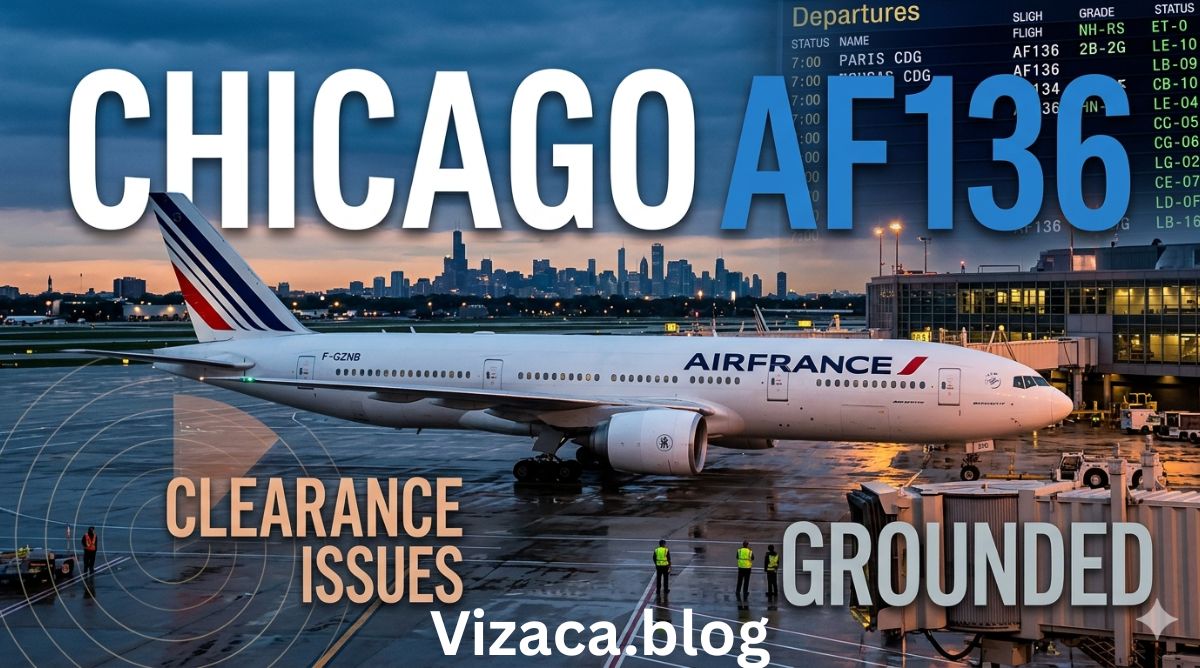
Air France flight AF136, operating between Paris and Chicago, represents a key long-haul international route connecting Europe with the United States. Like many international flights arriving in the U.S., AF136 passengers must go through a detailed clearance process upon landing. The phrase “Air France AF136 Chicago clearance issues” typically refers to challenges encountered during immigration, customs, security screening, or operational procedures at arrival points such as O’Hare International Airport.
Understanding these clearance issues requires a comprehensive look at how international arrivals are processed, what factors can cause delays, and how both passengers and airlines manage these situations. Clearance procedures are an essential part of international travel, ensuring safety, compliance with regulations, and smooth entry into the country.
Overview of Flight AF136 Operations
Air France AF136 is a long-haul transatlantic flight that typically departs from Paris and arrives in Chicago after several hours of travel. As an international flight entering the United States, it is subject to strict regulatory requirements enforced by U.S. authorities.
Upon arrival, passengers must undergo multiple clearance stages, including immigration checks, customs inspections, and sometimes additional security screening. These procedures are standard for all international flights but can vary in duration and complexity depending on several factors.
The operational efficiency of this process depends on coordination between the airline, airport authorities, and government agencies. Any disruption in this coordination can lead to what passengers perceive as clearance issues.
Immigration Clearance Procedures
One of the primary components of the clearance process for AF136 passengers is immigration control. Upon arrival at O’Hare International Airport, passengers must present their passports, visas, and other required documentation to immigration officers.
This process is designed to verify the identity of travelers and ensure that they meet entry requirements. Delays can occur if there are large numbers of arriving passengers, staffing limitations, or issues with documentation.
Passengers who are not U.S. citizens may experience longer processing times due to additional checks. Automated systems, such as passport control kiosks, have been introduced to speed up the process, but they do not eliminate the need for manual verification in many cases.
Customs Inspection and Baggage Clearance
After passing through immigration, passengers proceed to customs inspection. This stage involves declaring goods, verifying baggage contents, and ensuring compliance with import regulations.
Customs officers may conduct random inspections or focus on specific passengers based on risk assessments. While most travelers pass through this stage quickly, delays can occur if inspections are required or if there are issues with declarations.
Baggage handling also plays a role in clearance efficiency. Delays in unloading luggage or transferring it to the claim area can extend the overall time required for clearance.
Security and Additional Screening
In some cases, passengers on AF136 may be subject to additional security screening. This can occur for various reasons, including random selection, travel history, or specific security concerns.
Additional screening may involve interviews, baggage checks, or verification of travel documents. While these measures are important for maintaining security, they can contribute to longer clearance times.
Airlines and airport authorities work to minimize disruptions, but security requirements must always take priority.
Factors Contributing to Clearance Issues
Several factors can contribute to clearance issues for Air France AF136 passengers arriving in Chicago. One of the most common is high passenger volume. O’Hare International Airport is one of the busiest airports in the United States, and multiple international flights often arrive within a short time frame.
Staffing levels also play a significant role. If there are fewer immigration or customs officers available, processing times may increase. Similarly, technical issues with systems or equipment can cause delays.
Documentation problems are another common factor. Passengers with incomplete or incorrect documents may require additional processing, which can slow down the overall flow.
Weather conditions and operational disruptions can also impact clearance. Delays in flight arrivals may lead to congestion at immigration and customs checkpoints.
Impact on Passengers
Clearance issues can have a significant impact on passengers. Delays in immigration or customs can lead to missed connecting flights, extended waiting times, and increased stress.
For business travelers, delays can disrupt schedules and affect important commitments. For tourists, they can reduce the time available for activities and create a less favorable first impression of the destination.
Airlines often provide assistance in cases of missed connections, but the experience can still be inconvenient for passengers.
Airline and Airport Response
Air France and airport authorities at O’Hare International Airport work together to address clearance issues and improve efficiency. This includes coordinating arrival schedules, optimizing passenger flow, and implementing technology solutions.
Airlines may provide information to passengers before arrival, helping them prepare for the clearance process. This can include guidance on documentation, customs declarations, and expected procedures.
Airport authorities continuously evaluate processes and implement improvements to reduce waiting times and enhance the passenger experience.
Technology and Process Improvements
Technology plays a crucial role in improving clearance efficiency. Automated passport control kiosks, biometric systems, and digital documentation processes have been introduced to streamline operations.
These systems reduce the time required for manual checks and allow for faster processing of passengers. However, they also require proper implementation and maintenance to function effectively.
Continuous investment in technology is essential for managing the growing volume of international travel and minimizing clearance issues.
Tips for Avoiding Clearance Delays
Passengers on AF136 can take several steps to minimize the risk of clearance issues. Ensuring that all travel documents are complete and accurate is one of the most important اقدامات.
Filling out customs declarations correctly and honestly can also help avoid delays. Being prepared for the process and following instructions from airport staff can make the experience smoother.
Travelers with connecting flights should allow sufficient time between flights to account for potential delays in clearance.
Broader Context of International Travel
Clearance issues are not unique to Air France AF136 or Chicago. They are a common aspect of international travel, particularly at major airports with high passenger volumes.
Understanding the broader context helps passengers set realistic expectations and prepare accordingly. While delays can be frustrating, they are often a result of necessary procedures designed to ensure safety and compliance.
Efforts are ongoing worldwide to improve efficiency and reduce the impact of clearance issues on travelers.
Conclusion
Air France AF136 Chicago clearance issues highlight the complexities of international travel and the importance of efficient processing systems. From immigration and customs to security screening, each stage plays a vital role in ensuring safe and regulated entry into the United States.
While delays can occur due to various factors, ongoing improvements in technology, staffing, and coordination continue to enhance the overall experience. Air France, along with authorities at O’Hare International Airport, remains committed to addressing these challenges and providing a smoother journey for passengers.
By understanding the process and preparing in advance, travelers can navigate clearance procedures more effectively and reduce the likelihood of encountering significant issues during their arrival in Chicago.